Source Manual Led Life Jacket Light for Marine, Rescue, and Safety
Compare 30 manual led life jacket light options for marine and rescue applications. These battery-powered LED units feature ABS construction, CCS certification, and automatic or manual operation modes for reliable safety signaling; compare the available evidence and request quotations based on your requirements.
Key considerations
Products List


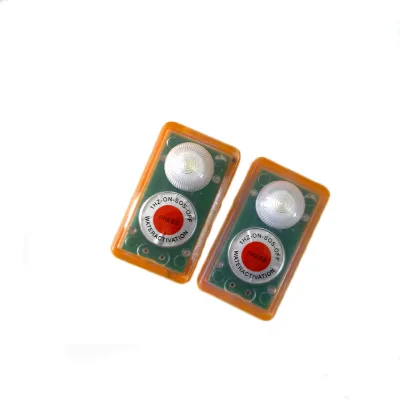
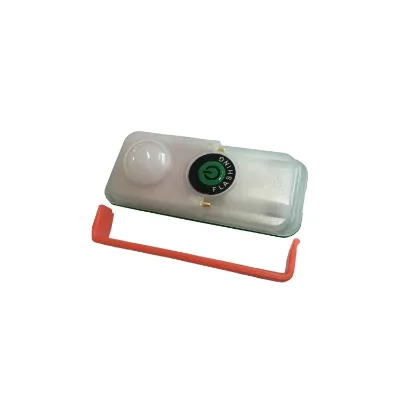
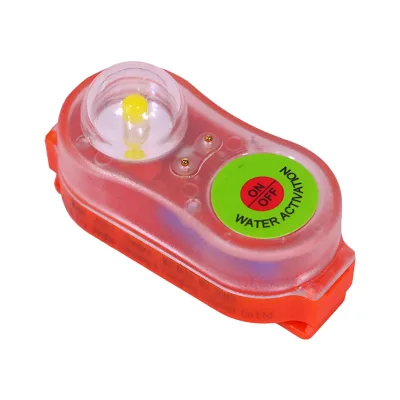


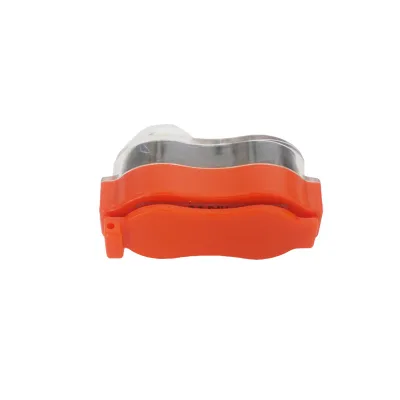
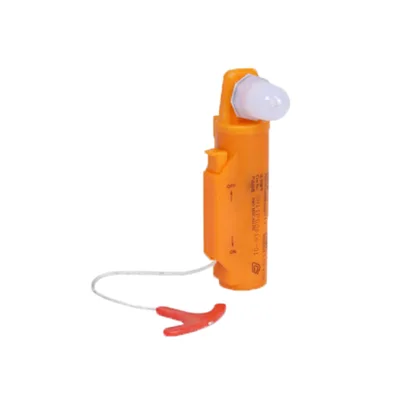
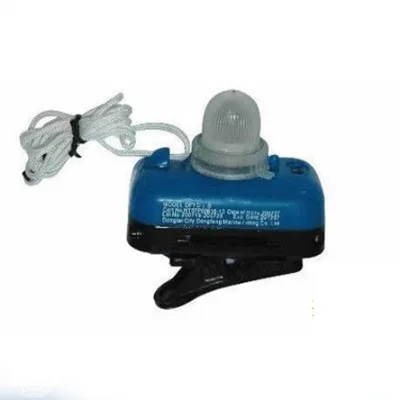
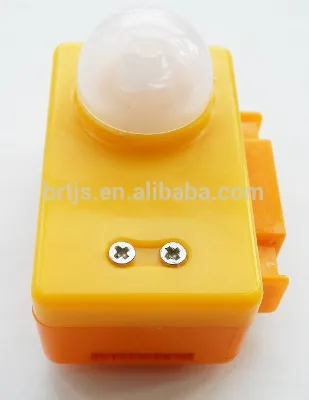

Comprehensive Sourcing Guide
Manual Led Life Jacket Light Sourcing Guide
Procuring manual LED life jacket lights requires distinguishing between integrated safety signals and standalone emergency beacons. The observed market data indicates a specific subset of products designed for professional aquatic use, featuring manual operation modes and distinct flashing luminous styles. Buyers must verify that the selected unit aligns with the specific application of search and rescue or marine use, as these devices serve critical security signaling functions rather than general illumination.
The supply chain for these components often originates from manufacturing hubs in Jiangsu, China, where suppliers offer customization options to meet diverse regulatory needs. While some listings suggest automatic operation modes, the core keyword specifically targets manual activation, necessitating a careful review of product attributes to ensure the device functions as a manual emergency signal. This distinction is vital for compliance with maritime safety protocols where immediate, user-initiated activation is required during distress situations.
Product Scope and Observed Listing Signals
The current market listings reveal a price range between 3.3 and 106.72 USD, reflecting significant variation in build quality and certification levels. Minimum order quantities fluctuate widely from 1 to 300 units, allowing flexibility for both small procurement teams and large-scale fleet outfitting. Buyers should note that while some products are packaged in cartons, others utilize export packing or individual boxes, which impacts logistics planning and storage requirements for bulk orders.
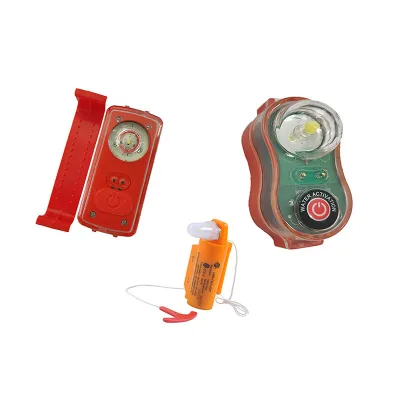
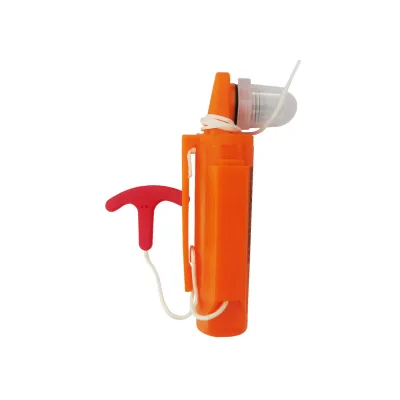
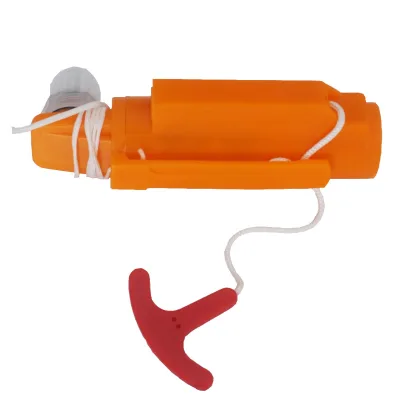
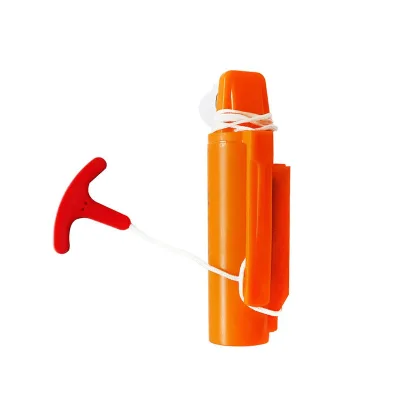
Product attributes observed include a weight of 69g for specific models and a compact design suitable for adult use. The material composition is predominantly ABS plastic, ensuring durability in harsh marine environments, though some variations may utilize neoprene shells or inflatable materials for buoyancy integration. It is essential to confirm that the listed color, typically orange, meets visibility standards and that the mounting options, such as clip-on or stand modes, align with the intended life jacket or safety vest configuration.
Technical Specifications to Verify
Technical due diligence must focus on the battery type and charging capabilities, as the data shows a mix of lithium batteries and nonrechargeable options. Buyers need to explicitly verify the emergency time, which is listed as more than 8 hours for certain models, ensuring the light remains operational throughout extended rescue operations. The power consumption is generally low, capped at 5W, but confirming the specific luminous style, such as flashing patterns, is necessary to meet international visibility requirements for distress signals.
Model numbers like YD-C, RSYD-A2, and MME indicate distinct product lines with varying specifications, including size options ranging from S to XL. The physical dimensions, such as 633032mm for specific units, must be cross-referenced with the life jacket's attachment points to ensure a secure fit. Additionally, the validity period of 5 years for certain components suggests a long service life, but procurement teams must validate the actual shelf life and storage conditions to prevent premature degradation of the LED source or battery chemistry.
Compliance and Safety Documentation
Regulatory compliance is paramount, with the observed data highlighting certifications from CCS, GL/EC, and ISO standards. These approvals are critical for maritime equipment, ensuring that the life jacket lights meet rigorous safety and performance benchmarks required for professional use. Buyers must request valid certification documents for each batch, as the presence of a standard like CCS approved does not automatically guarantee that every unit in a shipment meets the same rigorous testing criteria.
The product standards also reference specific buoyancy ratings and ISO 12402 certifications, which are essential for equipment intended for aquatic environments. It is imperative to verify that the approval status, such as CCS/Ec, applies to the specific model number being purchased, as certifications can vary between product generations. Documentation should explicitly state the approval for use in search and rescue scenarios, providing legal and safety assurance for the end-user and the purchasing organization.
Cost Drivers and Commercial Terms
Pricing variations are driven by the complexity of the certification process, the specific battery technology employed, and the level of customization available. Units with higher certification levels, such as those holding both GL/EC and CCS approvals, typically command a premium over basic models. Buyers should analyze the total cost of ownership, considering that lower-priced items may lack the necessary durability or emergency time specifications required for professional maritime safety applications.
Commercial terms often include specific packing requirements, such as export packing or carton packaging, which influence shipping costs and handling efficiency. The minimum order quantity of 1 to 300 units allows for strategic purchasing, but larger orders may offer better unit economics while requiring more substantial upfront capital. Procurement teams must negotiate clear terms regarding lead times and delivery schedules, as the origin in China and the specific nature of safety equipment can impact supply chain reliability and inventory planning.
Supplier Qualification and Quality Control
Supplier selection should prioritize manufacturers with a proven track record in producing professional equipment for the marine industry. The origin of the products, specifically Jiangsu, China, suggests a concentration of specialized manufacturing capabilities, but buyers must verify the supplier's ability to maintain consistent quality across different production batches. Quality control processes should include rigorous testing of the manual operation mode and the flashing luminous style to ensure reliability under emergency conditions.
Inspection protocols must verify that the material, such as ABS plastic or neoprene, meets the specified durability standards and that the closure types, like buckles, function correctly. Buyers should request sample units to test the weight, size, and mounting options before committing to a large order. Ensuring that the supplier can provide detailed test results and adherence to the stated standards is essential for mitigating the risk of receiving non-compliant or substandard safety equipment.
Long-Term Procurement Checks
Sustained procurement success depends on establishing a system for regular re-verification of product specifications and certification validity. The 5-year validity period for certain components requires a proactive replacement strategy to ensure that the fleet remains equipped with functional safety devices. Buyers should maintain a log of batch numbers and certification dates to track the lifecycle of the equipment and plan for timely renewals before expiration.
Continuous monitoring of the supply chain is necessary to address potential changes in manufacturing standards or regulatory requirements. Procurement teams should maintain open communication with suppliers to stay informed about updates to the product models, such as the transition from YD-C to newer iterations. Regular audits of the supplier's quality control records and adherence to ISO standards will help ensure that the long-term supply of manual LED life jacket lights remains consistent and reliable for critical safety operations.
FAQs
What certifications do manual LED life jacket lights have?
These lights typically hold CCS, EC, GL, and ISO certifications. Such approvals ensure compliance with international maritime safety standards. Buyers should verify specific model documentation to confirm the exact certification suite required for their vessel's flag state regulations and operational requirements.
How long does the battery last on these devices?
The emergency time exceeds 8 hours for most models. This duration supports extended search and rescue operations in aquatic environments. The lights use nonrechargeable lithium batteries, ensuring reliable performance without maintenance. This longevity is critical for meeting SOLAS requirements for life-saving appliances.
Can these lights be customized for specific applications?
Yes, customization is available for various professional equipment needs. Manufacturers offer options for different mounting styles, such as clip-on or stand modes. Buyers can specify requirements for marine use or security signals. This flexibility allows for tailored integration into diverse life-saving gear configurations.
What is the typical weight of a manual LED light?
The weight is approximately 69 grams for standard models. This lightweight design ensures comfort and ease of attachment to life jackets. The compact size minimizes bulk while maintaining durability. The ABS plastic construction provides a robust yet light shell suitable for marine environments and frequent handling.
Where are these life jacket lights manufactured?
These products originate from Jiangsu, China. The region is a known hub for marine equipment manufacturing. Buyers can source directly from factories in this area. The location supports efficient logistics and supply chain management for global maritime safety equipment distribution and procurement needs.
What is the minimum order quantity for these lights?
The MOQ ranges from 1 to 300 units. This flexibility accommodates both small replacement orders and large fleet equipments. Buyers can negotiate based on volume requirements. The wide range allows for scalable procurement strategies depending on the specific needs of the maritime operation or distributor.